The Role of IoT in Smart Grid Technology
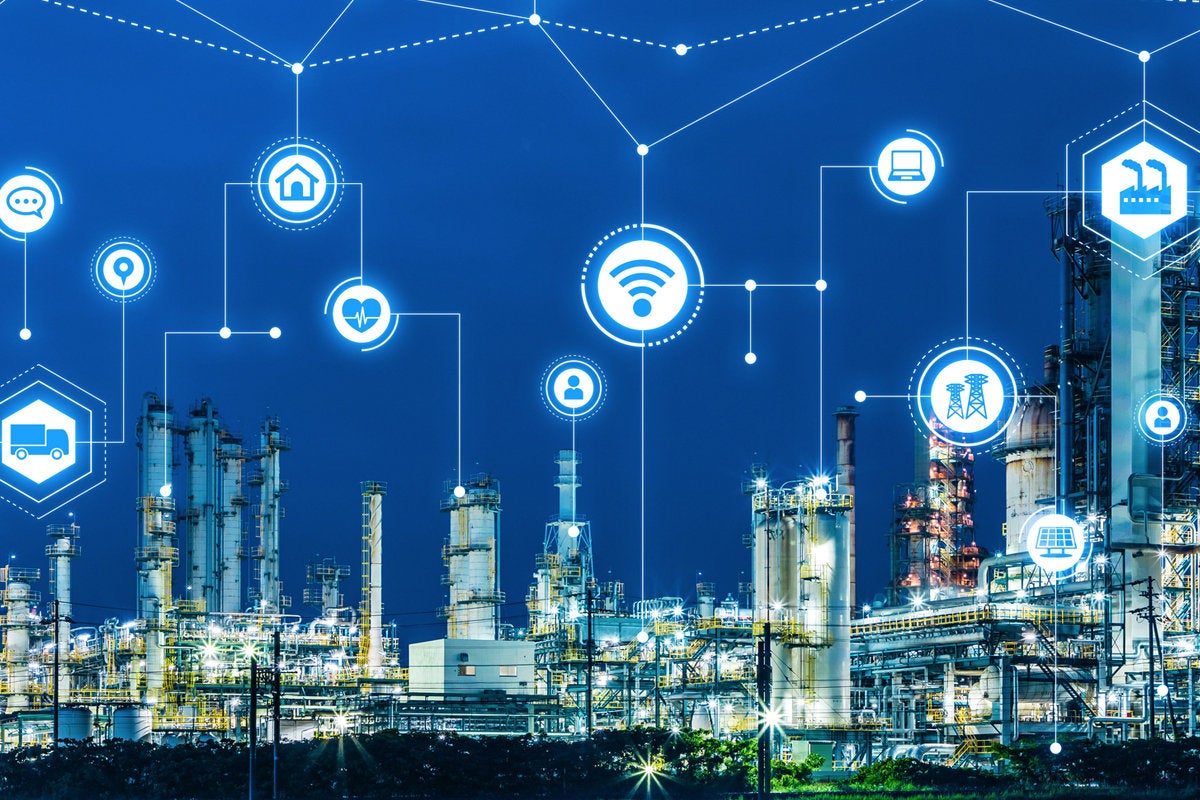
To put it in simple words, a smart grid is an electricity network that consists of a system of infrastructural, software and hardware solutions that enables two-way communication between all the system parts and provides efficient power generation and distribution in the supply chain.
You will see that the smart grid is more often than not characterized as a self-sufficient distributed system. It has the capability of providing you with different power sources, which include renewable and storage.
Now The Question Arises- Why Do We Need A Smart Grid?
You need to know that traditional grids are now aging and are not that effective with respect to growing electricity demand. Apart from this, there are three other advantages to why you need to have a smart grid.
It helps reduce costs and risks.
One of the biggest challenges that smart grid solves is wasted resources and lack of safety. Once you adopt smart grid technology, not just by households but also by industries, you will be able to monitor and control energy in real-time and then optimize it.
It helps reduce emissions and carbon-heavy electricity.
Not only do they come up with intelligence, control, visibility, and communication into the energy consumption process, it also enables green energy. Now you need to keep in mind that, together with reduced wasted energy comes reduced emissions. Then with smart grids’ topology, it includes renewables into the network, which makes clean energy sources even more accessible to the consumers.
It helps enable independence and resilience.
With the current technology, smart grids can easily enable customers-level monitoring and control of energy consumption. What it does is, it makes a household resident an active member in the grid’s lifecycle and an active decision-maker as well.
Now Let Us Talk About How The Internet of Things Is Used in Smart Grids.
You can extract data regarding energy consumption from sensor-enabled IoT devices, appliances, and hubs that control a smart house or other connected space. You can then use this data to analyze cost, electricity usage, and then make decisions regarding load distribution, recognize devices, detect malfunctions and risk of an outage, etc.
Real-time data analytics and visualization
As mentioned above, sensor data acts as the core of the smart grid operation. Then comes the processing, clearing, sorting, and analyzing of real-time IoT, which provides visibility in the supply chain from the moment the energy starts producing to the point it is consumed by the end consumer.
Advanced algorithms
Application of machine learning to get a better understanding and how to use big data is already common in the Internet of Things; hence smart grid is not an exception. It goes without saying that machine learning is good at working with huge datum sets, as it helps in identifying trends and making predictions.
IoT Applications in Smart Grid
To put it in a better way, the following are some examples of the use of IoT in the smart grid, from the national level to startup solutions for households.
For instance, Germany has integrated IoT infrastructure and technology solutions into its smart grid project in Mannheim. With the help of this project, you could enable the broad adoption of renewable energy and help coordinate energy consumption and production in the city.
Another good example is the Lumin energy management platform, with the help of IoT application, it helped save costs, reduced emissions, and the adoption of green energy at the same time. Not just that, the company also offers a smart panel and data analytics tools that help optimize storage, help manage electricity consumption, and facilitate the integration of PV systems in your house or plant.
We hope this article gave you a perspective on how IoT plays a role in the smart grid and its advantages.
Powered By